Finally, we’re getting to a concept unveiling…
Future You with Elise Hu is a new video reporting journey that begins on April 9 on npr.org and other places where you find your videos — YouTube and Facebook. You’ll hear original radio versions of our episodes on Morning Edition.
Who will we be, as humans, in 2050? The question led us down a path to a fast-changing frontier in human evolution: The ways in which our biological brains, or human intelligence, is melding with artificial intelligence.
Science and technology are allowing us to augment our intelligence and capabilities in ways previous generations only imagined.
The world’s most prominent innovators are racing to decode the brain to unlock more possibilities for augmentation. Mark Zuckerberg announced that he is working to make a brain interface that will let people communicate via their thoughts. Bryan Johnson created Kernel and invested $100 million to make our neural code programmable. Elon Musk unveiled Neuralink, the company he founded to correct traumatic brain injuries and increase human intelligence.
The humans that exist thirty years from now could look quite different than the humans of today. When does augmentation … become alteration of the essence of humanity? The ethical and social implications abound. Future You takes audiences to the front lines of that change.
Strategic Alignment
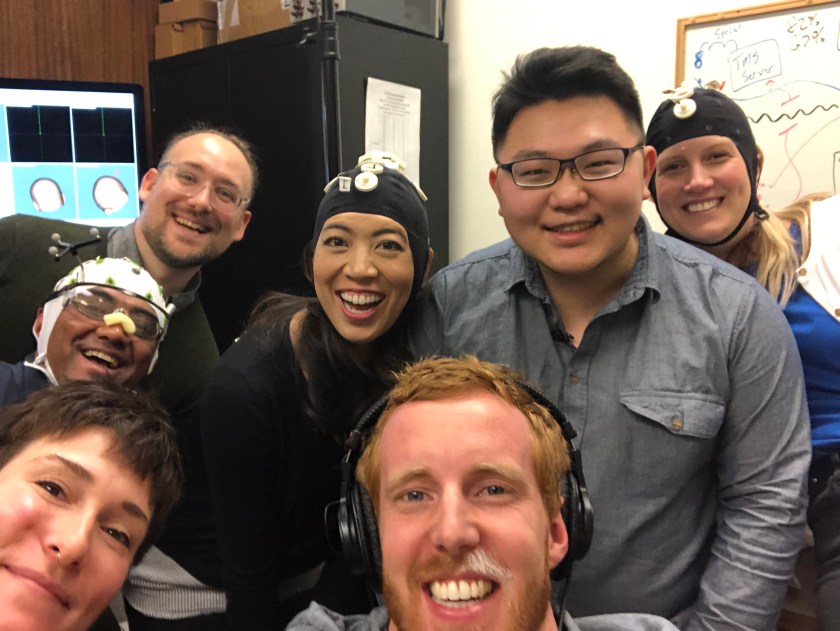
We are a team of six producers, myself included. We’re dedicating our time and talent to this because of the potential to extend reach to people who don’t listen to NPR but watch video on YouTube or other platforms, to educators who can help expand NPR content into classrooms, and to young audiences who literally are the future.
The audience I feel most accountable to are the younger learners; I will be tickled if I hear from teachers that they are showing this to their kids as a jumping point to talk about the future. Sure, reaching other eyeballs is good, but I want to be committed to the audience I feel most accountable to so we don’t get distracted or, for that matter, disappointed.
Offering a video robust product like this one, with content that’s evergreen and tickles audience curiosities, allows us to deepen relationships with social platforms that help amplify our work and are hungry for more visual content. It opens up new possibilities for relationships with streaming services like Apple TV, Amazon, Hulu or Netflix. It’s a vehicle to more business reward opportunities through grants and sponsorships. On each of our organization-level strategic goals of reach, reward and relationships, this aligns.
A note about our creative process
Much like the innovators we’re tracking, as storytellers we’re only in phase one. April’s pilot begins a learning journey WITH our audiences on the best ways to follow this story and build engagement along the way. We want to complete the journey by the end of the season, but alongside the NPR community that joins us. So phase one is an opportunity for us to LEARN and CHANGE along the way. That means, we are flexible on our assumptions and ready to iterate as we go along.
 Future Human